admin
admin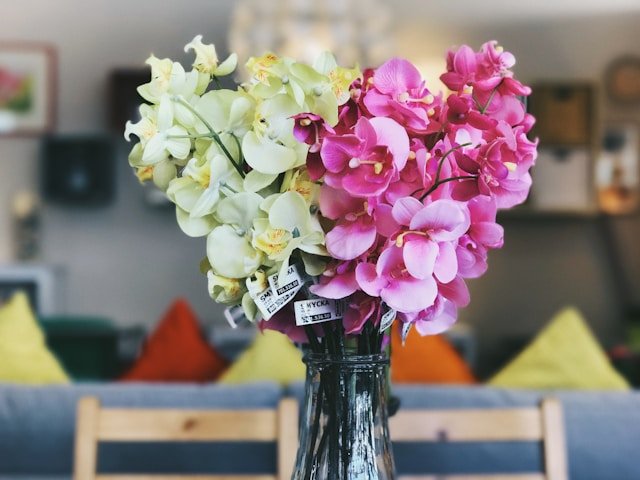
Choosing between artificial flowers and real plants often involves considerations of aesthetics, cost, and maintenance. However, the sustainability angle plays a crucial role, influencing both environmental impacts and personal health.
Each option presents unique advantages and potential drawbacks, prominently related to their production, use, and disposal. Below, we delve into the various factors that could guide an eco-aware decision in decorating and designing spaces.
Comparing Lifespan and Maintenance: Artificial Flowers vs Real Plants
While artificial flowers offer longevity without the need for water, sunlight, or other resources, real plants require continuous care and optimal environmental conditions to thrive. Artificial options can last indefinitely with proper storage, whereas real plants have varied lifespans dictated by their species and care.
Artificial flowers may appeal to those seeking low maintenance solutions. They eliminate the need for regular watering, pest control, and seasonal adjustments required by real plants. This can be particularly advantageous in environments unsuitable for live plants, such as areas with low natural light.
However, opting for real plants can enhance the quality of indoor air and offer therapeutic benefits, making them worth the extra care for many individuals. Assessing lifestyle compatibility and maintenance willingness is essential before making a choice.
Environmental Impact Analysis of Artificial Flowers and Real Plants
The production of artificial flowers, primarily from plastics and synthetic materials, involves significant fossil fuel consumption and chemical processing, which can contribute to pollution and waste. Conversely, real plants naturally absorb carbon dioxide and release oxygen, positively affecting air quality.
Despite their eco-friendly edge during their lifespan, real plants can become environmentally burdensome if grown with non-organic pesticides and fertilizers. These can contribute to soil and water pollution, undermining their green credentials. An environmentally conscious cultivation is necessary to maximize benefits.
When considering environmental impact, it’s crucial to evaluate the entire lifecycle of the product. For real plants, this includes the impact of gardening supplies, while for artificial flowers, it encompasses production and eventual disposal issues.
Economic Factors: Cost Effectiveness of Artificial vs Real Botanicals
The initial cost of artificial flowers might be higher than buying seasonal real plants, but artificial options can be more economical over time due to their durability and minimal maintenance requirements. Real plants often require ongoing investments in terms of soil, plant food, and other gardening supplies.
Real plants, however, might offer economic benefits in terms of health and well-being. The presence of greenery can reduce stress and increase productivity, potentially translating into fewer healthcare costs and higher earning potential. Additionally, growing your own plants can provide affordable access to fresh herbs and vegetables.
In evaluating cost-effectiveness, consider both up-front expenditures and long-term financial implications. Factor in not only purchase prices but also potential savings in healthcare and food costs when living with greenery.
Assessing Aesthetic and Health Benefits: Choosing Between Artificial and Real
Artificial flowers can consistently maintain their appearance without the risk of wilting or seasonal changes, offering year-round decor stability. They are particularly useful in settings that demand a permanent aesthetic, like corporate offices or event spaces.
On the other hand, real plants offer a dynamic beauty that can transform a space and improve the psychological environment. They have been proven to lower stress levels, increase attentiveness, and improve air quality, contributing significantly to home or workplace wellness.
While artificial options promise ease and consistency, the health and aesthetic benefits of real plants usually outweigh these advantages for those prioritizing well-being and environmental atmosphere. Preference depends heavily on the value placed on aesthetic authenticity and health impacts.
Ultimately, the choice between artificial flowers and real plants boils down to individual priorities such as maintenance, cost, and environmental impact. Thoroughly comparing these factors can lead to an informed decision that aligns with both personal and ecological values.